Transparency International in BiH has so far filed 37 complaints to authorities regarding electoral irregularities, primarily concerning the misuse of public resources, premature campaigning, use of children for political purposes, and media space abuse. The Central Election Commission (CEC) has resolved 16 TI BiH complaints and imposed eight sanctions totaling 29,500 marks, with every fourth CEC sanction being issued based on TI BiH complaints.
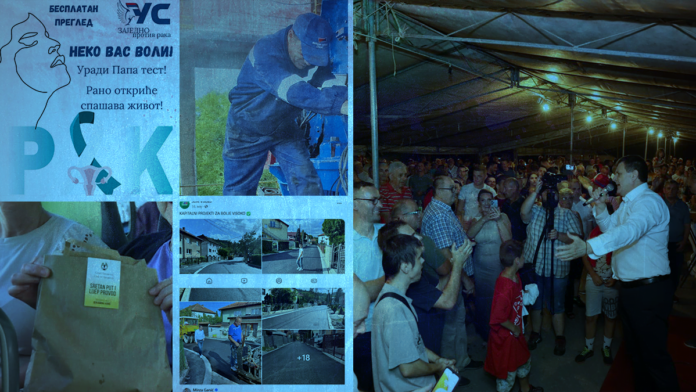
Seven sanctions relate to premature election campaigning, mostly due to sponsored ads on social networks, presenting party programs ahead of time, or political parties publicly boasting about public authority projects. SNSD and SDA were each fined 3,500 KM for boasting about paved streets and other projects on social media, but the CEC did not consider this a misuse of public resources for political promotion. The Republika Srpska Party (5,000), the We Can Do Better movement (4,000), and HNP (3,000) were fined for paid advertising before the campaign period, while DNS received a 3,000 KM fine for presenting their party program ahead of time.
United Srpska received a 3,000 KM sanction because their councilor in Pale, Slavka Brezo, organized free PAP tests under the party’s banner with their logo on promotional posters. The CEC found elements of premature campaigning in her post but not promising material or other benefits to voters.
Only two penalties for misuse of public resources
However, besides premature campaigning, the CEC has rarely imposed penalties under the new Electoral Law provisions regarding misuse of public resources. Based on TI BiH complaints, only one sanction was issued to the mayor of
SNSD reaches with asphalt even villages where earth meets sky!
— Snežana Ružičić (@jezero1234) May 21, 2024
Meter by meter – kilometer!
Jezero today pic.twitter.com/PmEzz9qggX
Street paving and one-time cash payments remain the dominant behavior pattern of candidates, but the loudly announced electoral law changes imposed by the OHR have shown almost no effect so far. Although the law clearly prohibits providing one-time monetary or non-monetary assistance to citizens during this pre-election period (unless planned within regular budget subsidies), no one has been sanctioned under this provision yet.
The reason is that the CEC considers all budget payments that authorities claim were planned under various items as “regular subsidies,” regardless of whether these are not regular monthly or annual payments. Thus, TI BiH’s complaint about one-time payment for a prom night in Nevesinje was rejected, as the CEC stated in its decision that funds for this one-time assistance were allocated from “the budget reserve which represents part of the planned budget funds.” One-time payments to graduates from East Novo Sarajevo municipality were also not considered resource misuse because the mayor stated the funds were planned in the budget, and for the same reason, a complaint against the Mayor of Sarajevo for financing a free trip for pensioners from the municipality where she will be a candidate was rejected. Free transportation cards for pensioners being distributed for the first time in Banja Luka before these elections are considered by the CEC as “regular benefits that were implemented in previous years” and they found no issue with promotional posters featuring the mayor’s personal logo and slogan.
According to TI BiH, regular subsidies should only be considered those paid regularly every month or year (e.g., annual veteran’s allowance or monthly social benefits) or other benefits that represent legally acquired rights of certain categories. However, given the CEC’s current practice, it’s unlikely anyone will be sanctioned under these provisions despite numerous one-time assistance payments to citizens timed before elections.
Numerous campaign examples
Besides intensifying public works and distributing one-time financial assistance, there were numerous cases where political parties directly promoted themselves through these projects or through advertising by public institutions and enterprises.
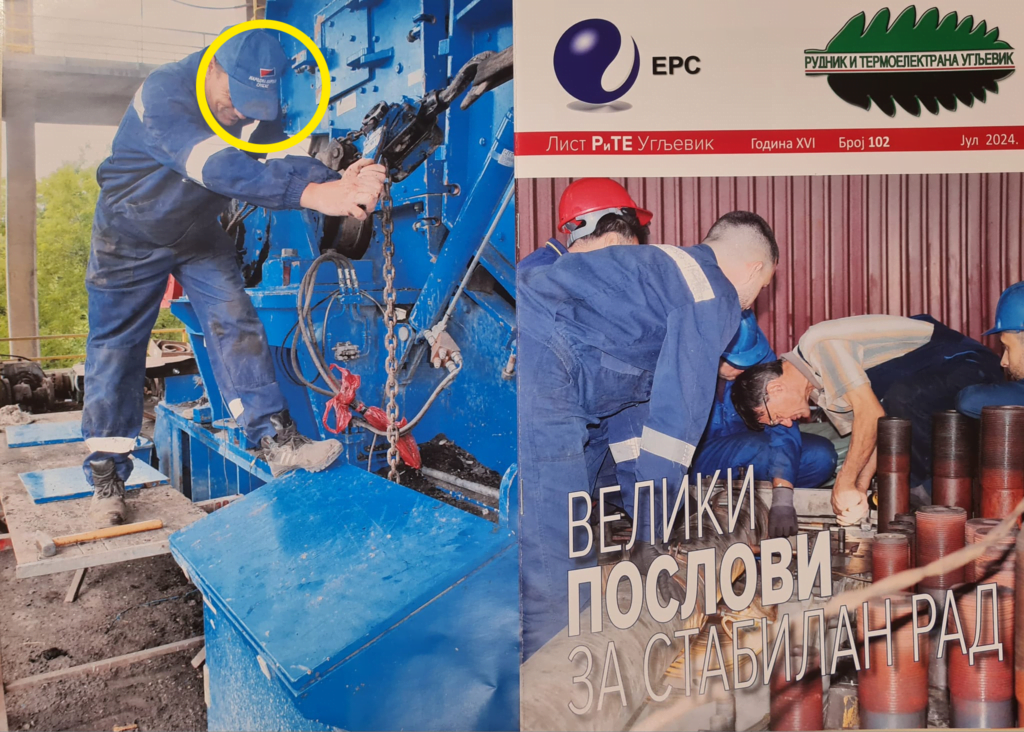
SDS Kotor Varoš was reported for resource misuse and premature campaigning because this party’s list was promoted on the pages of the public institution “Center for Culture and Information,” and for the same reason, the mayor of Višegrad was reported because his party candidacy was published on the official municipality page. Also, in the factory newspaper of the public company RITE Ugljevik, a photo was published showing a worker wearing a cap with the NPS logo, the party of the company’s general director Diko Cvjetinović.
These cases are still pending, as is the complaint against SNSD candidates in Banja Luka, Vlado Đajić and Nikola Šobot, who campaigned at the “Krajiško veče” event where they distributed T-shirts with promo text “All for our doctors,” and the host called on attendees to vote for them. A series of these events was organized before previous elections promoting SNSD candidates, and several more such gatherings are announced in Banja Luka before the Local elections.


TI BiH also filed two complaints against HDZ, which boasted on social media about infrastructure projects in Busovača financed with public funds, while in Žepče, a thank-you poem was written to the current mayor for paving 400 meters of road.
Also, ZDK Premier Nezir Pivić (SDA) was reported for a post thanking the party on behalf of the Cantonal Government and stating these were priorities from the party’s Election Platform, while Nedeljko Kerić, SNSD candidate in Teslić, was reported for a street blood sugar testing action that included party banners and promotional materials.
In addition to CEC complaints, two portals from Banja Luka were reported to the Press Council for publishing opinion polls contrary to the Election Law, without naming the institution or person who ordered and paid for the research and without the name and headquarters of the institution that conducted the research.
These cases are still ongoing, and TI BiH will continue to report electoral irregularities in the coming period. TI BiH invites citizens to get involved and report cases of election law violations or misuse of public resources in the campaign through the Reflektor application.